
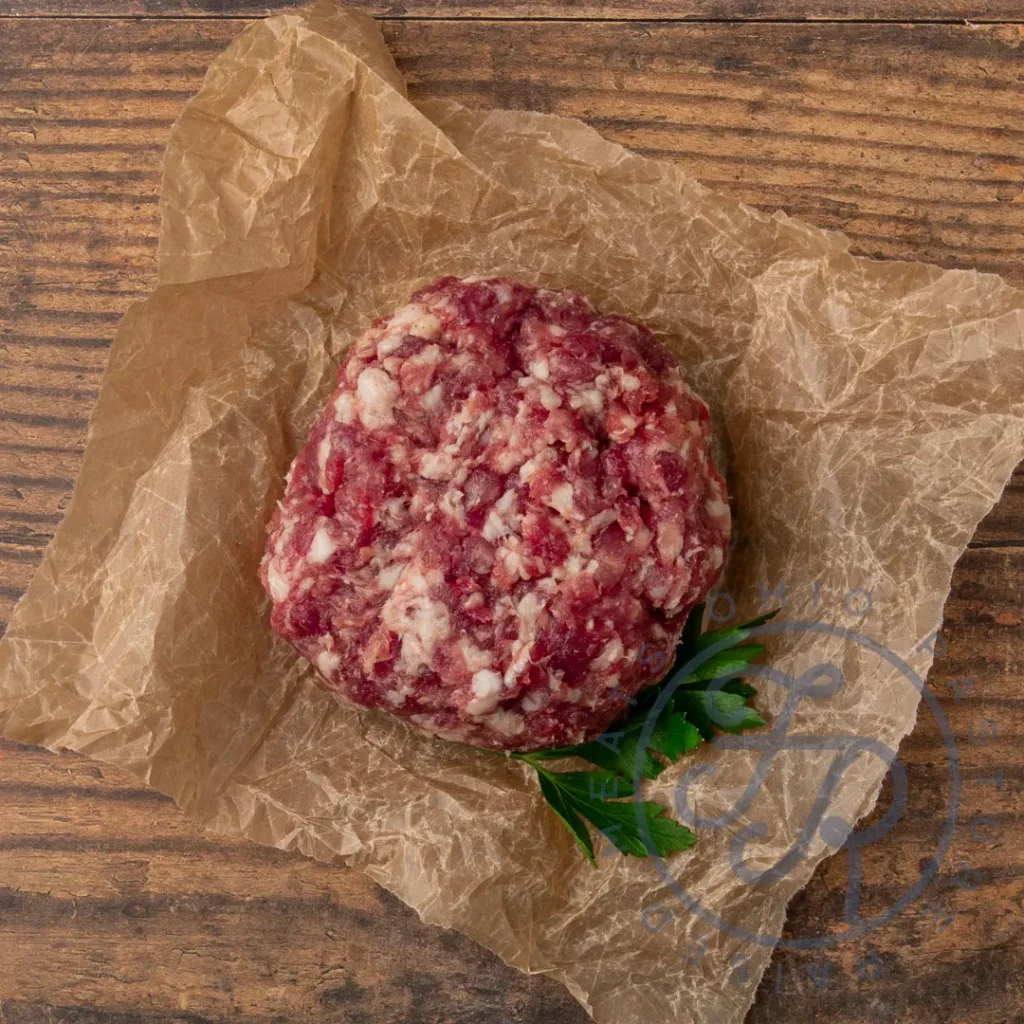
Pork is one of the most consumed meats worldwide, enjoyed in various cuisines and cultures. It offers a rich flavor profile and a range of cuts that make it a versatile option for meals. Whether you prefer it roasted, grilled, or stewed, pork can be prepared in countless ways to suit any palate. But how does pork go from farm to fork? Let’s explore the journey of pork meat from its origins to your plate and why it’s a nutritional powerhouse packed with protein and essential vitamins.
The Journey from Farm to Fork: How Pork Meat is Produced
Pork production involves multiple stages, beginning with breeding and raising pigs on farms and ending with the meat’s processing, distribution, and sale in markets. Here’s an overview of how pork makes its way to your table:
1. Breeding and Raising Pigs
The pork production process begins on farms where pigs are bred specifically for meat. Farmers focus on selecting healthy pigs with desirable traits, such as size, quality of meat, and growth rate. Pigs are raised in controlled environments, with proper care taken to ensure they grow healthy and strong.
Good animal welfare is key in the process, as the well-being of the pigs directly impacts the quality of the pork. They are given a balanced diet rich in grains, corn, and soy, ensuring the right amount of protein, vitamins, and minerals for optimal growth.
2. Processing and Quality Control
Once the pigs reach the appropriate weight, they are sent to processing facilities. These facilities follow strict guidelines and regulations to ensure the meat is processed hygienically and safely. Each pork product is subjected to quality control measures, which include inspection for any signs of illness or contamination. This ensures the pork that reaches consumers is fresh, safe, and of high quality.
3. Distribution and Retail
After processing, pork is packaged and distributed to grocery stores, butcher shops, and restaurants. This step in the journey ensures the meat is available for purchase in various forms, from raw cuts like tenderloin and ribs to processed products like bacon and sausage. Modern packaging techniques ensure that pork remains fresh, retains its flavor, and has a longer shelf life when it arrives at the consumer’s table.
The Nutritional Benefits of Pork Meat: A Protein Powerhouse
Pork is not only delicious but also highly nutritious. It’s packed with essential nutrients that contribute to a healthy diet. Here are some of the top nutritional benefits of pork meat:
1. High-Quality Protein
Pork is an excellent source of high-quality protein. A 3-ounce serving of pork contains around 22-24 grams of protein, making it a great option for those looking to build muscle or maintain lean body mass. Protein is vital for cell repair, immune function, and the production of enzymes and hormones.
For individuals who lead active lifestyles or are involved in strength training, pork is a great addition to the diet, providing the necessary amino acids required for muscle growth and recovery.
2. Rich in Vitamins and Minerals
Pork is loaded with important vitamins and minerals, particularly B-vitamins such as B6 and B12, which are essential for brain function and the formation of red blood cells. These vitamins also help in energy metabolism, ensuring your body uses the food you consume for fuel effectively.
Additionally, pork is an excellent source of zinc, iron, and selenium. Zinc plays a crucial role in immune function, while iron is essential for transporting oxygen throughout the body. Selenium acts as an antioxidant, helping to protect cells from damage.
3. Healthy Fat Content
Pork is often thought of as fatty meat, but not all fat is bad for you. In fact, pork contains both saturated and unsaturated fats, with the latter being beneficial for heart health. Cuts like pork tenderloin are lean and provide good sources of healthy fats, including omega-3 fatty acids, which are known to reduce inflammation and support cardiovascular health.
Different Cuts of Pork: Which Is Best for You?
Whether you’re looking for a quick weeknight meal or a special occasion dish, pork offers a wide variety of cuts to choose from, each with its own unique flavor and cooking method. Here’s a breakdown of some popular pork cuts:
1. Pork Tenderloin
One of the leanest cuts, pork tenderloin is known for its tenderness and mild flavor. It’s perfect for grilling, roasting, or stir-frying and is a healthy option for those looking to reduce their fat intake.
2. Pork Chops
A versatile cut, pork chops can be grilled, baked, or pan-seared. They are slightly fattier than tenderloin but provide great flavor and texture. Pork chops are often served with a variety of seasonings or marinades, making them a popular choice for weeknight dinners.
3. Pork Shoulder
Pork shoulder is a fattier cut that’s ideal for slow cooking. It’s commonly used in pulled pork recipes or braised dishes, where the slow cooking process helps break down the fat, resulting in tender, juicy meat with rich flavors.
4. Pork Belly
Pork belly is beloved for its rich fat content and succulent texture. It’s often used to make bacon or roasted to create a crispy, melt-in-your-mouth dish. While higher in fat, it’s a luxurious treat that many enjoy as part of a balanced diet.
How to Include Pork in a Balanced Diet
While pork is nutritious, it’s important to consume it as part of a balanced diet. Leaner cuts like pork tenderloin and pork loin chops are excellent choices for those watching their fat intake. Pairing pork with vegetables, whole grains, and healthy fats from olive oil or avocado ensures a well-rounded meal.
For those who enjoy cooking at home, try marinating pork in a mixture of herbs, garlic, and citrus to enhance its flavor without adding too many calories. Grilling, baking, or broiling are healthy cooking methods that keep the meat’s natural flavor intact while minimizing the need for added fats.
Conclusion: Why Pork Deserves a Spot in Your Diet
Exploring the delicious world of pork, from farm to fork, showcases not only the journey of how this popular meat reaches your table but also its impressive nutritional profile. Packed with high-quality protein, essential vitamins, and healthy fats, pork is a versatile and delicious option for meals. Whether you enjoy a tenderloin grilled to perfection or a slow-cooked pork shoulder, the nutritional benefits of pork meat make it a protein powerhouse that deserves a place in your diet.
By understanding the various cuts and their unique qualities, you can explore new ways to enjoy pork while keeping your meals balanced and healthy.