
Pork is a versatile and flavorful meat that can be prepared in numerous ways, each technique bringing out unique textures and flavors. From roasting to grilling, learning how to cook pork effectively allows you to serve mouthwatering dishes that highlight this meat’s natural richness. In this guide, we’ll explore essential pork cooking methods and share tips for achieving tender, juicy, and well-flavored results.
Why Pork? Understanding the Basics of Pork Cooking
Pork offers a wide variety of cuts that are suitable for different cooking methods. Cuts like pork loin, shoulder, and tenderloin are ideal for slow roasting, while others like pork chops and ribs are perfect for grilling or pan-searing. By mastering a few core pork cooking techniques, you can unlock the full potential of this meat and create dishes with complex flavors and textures.
1. Roasting Pork: Slow and Steady Wins the Flavor
Roasting pork in the oven is a classic method that’s perfect for larger cuts like pork loin, shoulder, and tenderloin. Slow-roasting breaks down the meat’s connective tissue, resulting in tender, juicy pork with a crisp exterior.
Tips for Perfect Roasted Pork:
- Preheat the Oven: Preheating helps achieve a crispy crust and seals in juices. A temperature of 350°F is ideal for roasting most cuts of pork.
- Season Generously: Salt, pepper, and herbs like rosemary or thyme enhance the natural flavor of the meat.
- Use a Meat Thermometer: Roasting to an internal temperature of 145°F ensures the pork is safely cooked without drying out.
- Rest the Meat: Let the pork rest for about 10-15 minutes after roasting to allow the juices to redistribute.
2. Grilling Pork: A Flavor-Packed Experience
Grilling pork brings out a smoky flavor that’s hard to achieve with other cooking methods. Cuts like pork chops, ribs, and tenderloin are ideal for grilling, and the high heat helps create a charred crust while keeping the inside juicy.
Tips for Grilling Pork:
- Preheat the Grill: Make sure your grill is preheated to high heat to achieve those perfect grill marks.
- Marinate or Brine the Pork: Marinating or brining adds flavor and keeps the meat tender. Brining in a mixture of salt, sugar, and water enhances juiciness.
- Cook Over Direct and Indirect Heat: Start the pork over direct heat for a good sear, then move to indirect heat to finish cooking without burning.
- Use a Meat Thermometer: Pork should reach an internal temperature of 145°F, then rest for a few minutes before serving.
3. Pan-Searing: Quick and Flavorful
If you’re short on time, pan-searing pork is an excellent option, especially for smaller cuts like pork chops or tenderloin medallions. Pan-searing develops a golden-brown crust while keeping the inside tender and juicy.
Tips for Pan-Searing Pork:
- Choose the Right Pan: A heavy skillet, like cast iron, retains heat and gives a beautiful sear.
- Season Well: Salt and pepper are essential, but you can add garlic or fresh herbs for extra flavor.
- Sear on High Heat: Heat the pan until it’s very hot, then add oil and pork. Avoid moving the meat too much to allow a crust to form.
- Finish in the Oven (Optional): For thicker cuts, start on the stovetop and finish in the oven at 400°F for a few minutes to cook through.
4. Braising: Perfect for Tougher Cuts
Braising pork is ideal for tougher cuts like pork shoulder or pork belly, as it involves cooking the meat slowly in liquid, which tenderizes it. Braising results in moist, flavorful pork with a melt-in-your-mouth texture.
Tips for Braising Pork:
- Brown the Meat First: Searing the pork in oil before adding liquid locks in flavor.
- Add Aromatics and Herbs: Onions, garlic, bay leaves, and herbs enhance the dish’s depth of flavor.
- Cook Low and Slow: Braise at a low temperature (around 300°F) for several hours. The slow cooking breaks down tough fibers, making the meat tender.
- Check Liquid Levels: Keep the liquid level about halfway up the meat, adding more if needed during cooking.
5. Smoking Pork: For a Rich and Smoky Flavor
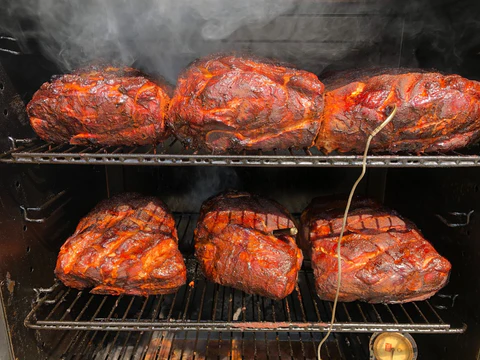
Smoking pork adds a unique, deep flavor that’s ideal for cuts like ribs, pork shoulder, and pork belly. This method takes longer than grilling or roasting but infuses the meat with a rich smokiness that makes it well worth the wait.
Tips for Smoking Pork:
- Choose the Right Wood Chips: Hickory and applewood are popular choices for smoking pork.
- Control Temperature: Aim for a low and steady temperature of around 225°F for even cooking.
- Keep it Moist: Place a water pan in the smoker to keep the pork from drying out.
- Season Generously: A dry rub or marinade enhances the smoky flavor and adds complexity.
Essential Tips for All Pork Cooking Techniques
Regardless of the technique, there are a few universal tips to follow to ensure you get the best results:
- Allow Pork to Reach Room Temperature: Take the pork out of the fridge 30 minutes before cooking to allow even cooking.
- Let the Meat Rest: Always rest the pork after cooking to lock in juices.
- Use Fresh Ingredients: Fresh herbs, high-quality oils, and good cuts of meat make a noticeable difference.
Flavor Pairings to Elevate Pork Dishes
Enhance your pork dishes with sides and flavors that complement the meat:
- Apple and Fennel: Apples’ sweetness pairs well with pork, and fennel adds an aromatic touch.
- Garlic and Rosemary: Both add a rustic, earthy flavor that complements the richness of pork.
- Sweet and Spicy Sauces: Barbecue sauces with a mix of sweet and heat add complexity, especially for grilled or smoked pork.
Conclusion: Choosing the Right Technique
With a variety of methods, from roasting to grilling, you have countless ways to cook pork that match your taste and style. Each technique can bring out different flavors and textures, so don’t hesitate to experiment and discover what works best for you. Mastering these pork cooking techniques allows you to serve delicious, perfectly cooked pork that will impress family and friends alike.
No matter the method you choose, the key is understanding the cut you’re working with and applying the appropriate technique to bring out the best in your dish.