
Many South Asian households adore beef paya. A delicious stew made using cow trotters or hooves that has been slow-cooked for hours. This dish has a creamy, gelatinous texture and a rich, aromatic flavor thanks to a carefully chosen spice mix. Paya has always been a family favorite throughout harsh winters and joyous mornings. Beyond food, it expresses culture and home-cooked comfort. When making paya, be patient; it will be well worth it. This cuisine warms both the soul and the body.

Should you opt for beef paya?
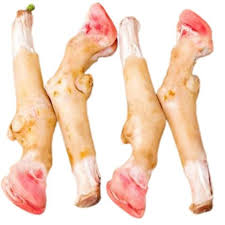
Slow-cooked cattle trotters in traditional beef paya until the marrow and tendons dissolve into a delectable liquid. Bangladesh, India, and Pakistan consider it a delicacy for breakfast or special occasions. In Urdu and Hindi, “paya” means “feet”—the dish’s major component. Beef paya has a delicate texture and a delicious flavor when cooked correctly. Each serving consists of delicate meat, soft bones, and a creamy sauce served with rice or naan. This supper combines current flavors with ancient cuisine.
Cultural and Customary Value
Many cultures regard paya as a symbol of family, legacy, and unity. South Asian households schedule their weekends, Eid, and winter breakfasts. Traditionally, long-standing households slow-boil paya overnight. Cooking paya in the kitchen brings back memories of vacations and childhood delights. Many people believe that eating beef in winter keeps the body warm and powerful. We serve this lunch to guests as a gesture of hospitality and compassion. Beyond its components, paya holds cultural importance.
Nutrition of Beef Paya
Beef paya is a nutritious option due to its high collagen, calcium, and protein content. Long cooking times help to remove marrow and gelatin from bones, which strengthens the joints. It is recommended for recovering patients because it is easy to absorb and full of energy. The natural lipids and minerals found in beef paya improve skin suppleness and bone strength. Beef paya has long been used in traditional medicine to help with digestion and immunity. It is nutritious when cooked with less oil and all-natural ingredients.
Food and Cooking Techniques
Slow, thorough cooking in paya brings out the greatest flavors. The trotters are cleaned and periodically roasted to remove the odor. For hours, they are cooked with onions, garlic, ginger, turmeric, black pepper, and garam masala. Some chefs increase the taste of gravy by adding yogurt or tomatoes. Slow cooking is essential for softening bones and releasing gelatin, which gives the meal its distinctive texture. Spices carefully cover a fine beef, allowing the flavor to emerge. This delay yields an excellent dinner.
Serving Concepts and Events
Hot, fresh beef pairs well with boiled rice, paratha, or naan. To enhance the flavor, some homes squeeze lemon and sprinkle fresh coriander before eating. People typically serve it as a holiday main entrée or weekend breakfast, drinking it in frigid temperatures to warm and rejuvenate. Many households eat beef paella during holidays and other occasions. When done correctly, paya is the highlight of any evening and will satisfy those who appreciate traditional flavors.
Best Beef Paya: Source
Real and excellent beef paya requires the appropriate ingredients. Jidran Meat is a trustworthy provider of meat products and cow trotters. The business sells fresh, clean meat for beef paya and other traditional dishes. Good packing and planning allow you to cook without concern. An excellent meal that respects family traditions starts with fine beef. Premium parts consistently deliver the greatest results. Start your next beef paya with high-quality meat.
Final Words
Paya from beef is a family story rather than just a dish. Many families enjoy its taste, cultural significance, and nutritional value. Whether you prepare beef paya for a large supper or a special occasion, it is both satisfying and comforting. Although preparing this meal takes time and work, the results are certainly worth it. Anyone with high-quality meat and seasonings can make real beef paya straight at home. This classic feast celebrates family, food, and history.
FAQs
What is the major ingredient in beef paya?
Slow-cooked cow trotters, commonly known as feet, produce a thick and savory soup.
Is paya beef healthy?
Beef is high in collagen, protein, and calcium, which are all beneficial to the joints and bones.
What is the recommended cooking time for paya?
Slow-boiling paya for 4-6 hours produces the desired texture and flavor.
Are there any ready-to-cook paya products available online?
Jidranmeat.com sells fresh, premium beef trotters.
How should meat paya be presented?
Meat paya tastes best when served hot with fresh coriander, lemon juice, naan, paratha, or rice.