
Boneless beef is one of the most popular choices for home cooks, restaurants, and meat lovers who value convenience and versatility. Unlike bone-in cuts, boneless beef is easier to prepare, cook, and portion, making it ideal for a wide range of dishes. Whether you are preparing traditional curries, grilled steaks, or slow-cooked recipes, boneless beef offers consistent texture and rich flavor.
In today’s fast-paced lifestyle, people prefer meat options that save time without compromising taste. That is exactly why boneless beef has become a staple in kitchens worldwide. This article will help you understand its benefits, uses, quality factors, and how to choose the best cut for your needs.
What is Beef?
Beef refers to beef cuts that have had the bones removed during processing. These cuts are usually trimmed, cleaned, and prepared for direct cooking. Because there is no bone, the meat cooks faster and is easier to handle.
One of the biggest advantages of beef is consistency. Every piece cooks evenly, which is especially important for recipes that require precise texture and tenderness. It is widely used in both household cooking and professional kitchens due to its practicality.
Nutritional Value and Benefits of Boneless Beef
Boneless beef is not only delicious but also packed with nutrients. It is a rich source of high-quality protein, essential for muscle growth and body repair. It also contains important vitamins and minerals such as iron, zinc, and vitamin B12.
These nutrients support energy production, improve immunity, and promote overall health. For people following high-protein diets, beef is an excellent choice because it delivers nutrition without unnecessary additives or processing.
Another benefit is portion control. Since there are no bones, you can easily measure and cook exact quantities, reducing waste and improving meal planning.
Why Beef is a Preferred Choice
There are several reasons why chefs and households prefer boneless beef over bone-in cuts:
- Easier to cook and cut
- Faster cooking time
- More meat per portion
- Suitable for multiple recipes
- Less preparation effort
Because of these advantages, boneless beef is often used in restaurants where consistency and speed are important.
In addition, beef absorbs marinades more effectively, allowing spices and flavors to penetrate deeply into the meat. This makes it ideal for flavorful dishes like curries, stir-fries, and BBQ recipes.
Popular Cooking Methods for Beef
Boneless beef can be prepared in many different ways depending on the dish you want to create. Some of the most popular methods include:
1. Grilling
Grilling boneless beef gives it a smoky flavor and juicy texture. It is commonly used for steaks and BBQ dishes.
2. Slow Cooking
Slow cooking makes boneless beef extremely tender. It is perfect for stews, soups, and traditional recipes.
3. Stir-Frying
Thin slices of boneless beef cook quickly in a pan, making it ideal for quick meals.
4. Curry Preparation
In many Asian cuisines, beef is widely used in spicy and rich curries due to its ability to absorb spices well.
Each method highlights the versatility of boneless beef, making it suitable for both simple and gourmet dishes.
How to Choose High-Quality Beef
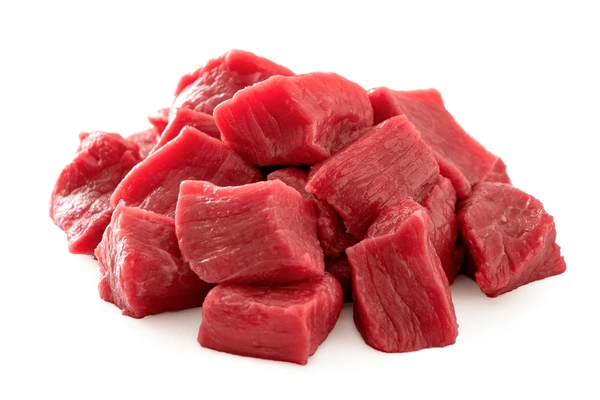
When selecting beef, quality is extremely important. Freshness, color, and texture are key indicators of good meat.
Here are a few expert tips:
- The meat should have a bright red color
- It should feel firm, not sticky
- There should be minimal fat imbalance
- Always check freshness and storage conditions
High-quality beef ensures better taste, texture, and nutritional value. Reputable suppliers focus on hygiene, proper handling, and safe storage to maintain meat quality.
Storage and Handling Tips
Proper storage is essential to maintain the freshness of beef. If not stored correctly, the quality can quickly deteriorate.
- Refrigerate immediately after purchase
- Keep it in an airtight container
- Use within 2–3 days for best taste
- Freeze for long-term storage
These simple steps help preserve the flavor and texture of boneless beef, ensuring safe consumption
Why Quality Matters in Beef
Not all meat is the same. The quality of boneless beef depends on sourcing, hygiene, and processing standards. High-quality beef comes from healthy livestock and is processed in clean environments under strict safety guidelines.
When you choose premium boneless beef, you are not just buying meat you are investing in better taste, nutrition, and health. Poor-quality meat may affect flavor and cooking results, which is why sourcing matters.
Versatility in Everyday Cooking
One of the strongest advantages of boneless beef is its versatility. It can be used in everyday meals as well as special dishes. From sandwiches and burgers to traditional gravies and international recipes, boneless beef fits into almost every cuisine style.
Its adaptability makes it a favorite among chefs who want flexibility without compromising on quality.
Conclusion
Boneless beef is a highly versatile, nutritious, and convenient meat option suitable for a wide range of cooking styles. Its ease of preparation, rich flavor, and consistent texture make it a preferred choice in both home kitchens and professional restaurants. Whether you are preparing quick meals or elaborate dishes, boneless beef delivers excellent results every time.
If you are looking for high-quality, fresh, and hygienically handled meat products, you can explore premium options at https://jidranmeat.com/ for reliable and trusted meat solutions that meet your everyday cooking needs.
FAQs
Q1: What is boneless beef used for?
Boneless beef is used in curries, grilling, stir-frying, and slow-cooked dishes due to its tenderness and versatility.
Q2: Is boneless beef healthy?
Yes, boneless beef is rich in protein, iron, and essential vitamins that support muscle growth and overall health.
Q3: How long can beef be stored?
It can be stored in the refrigerator for 2–3 days and in the freezer for several weeks if properly sealed.
Q4: Why is beef more expensive?
It is often more expensive because it provides more usable meat and requires additional processing to remove bones.
Q5: How do I make beef tender?
Marinating and slow cooking are the best methods to make beef soft and tender.