
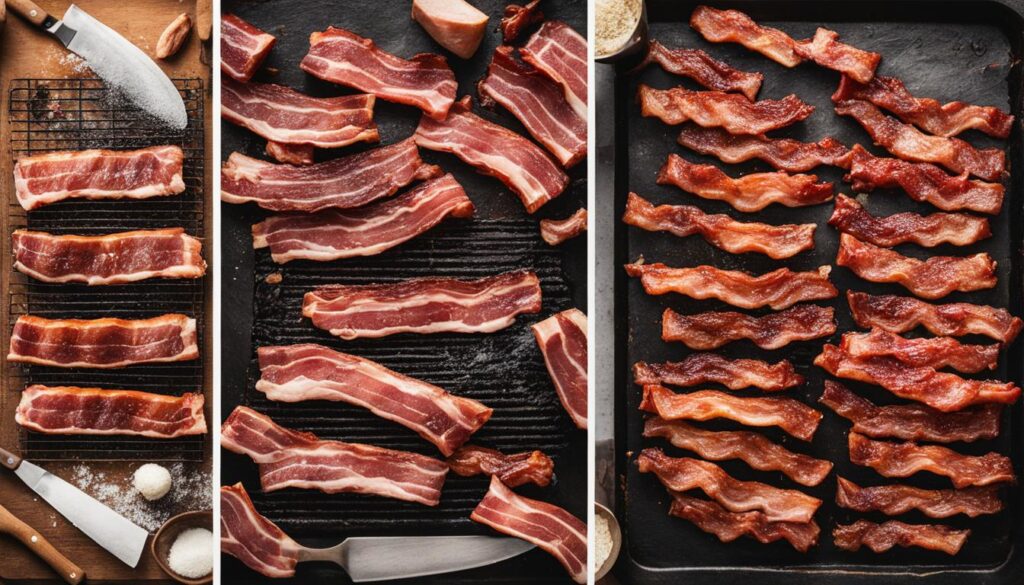
Pork has long been one of the most beloved and widely consumed meats across the globe. Its rich flavor and versatility make it a favorite ingredient in countless cuisines, from smoky bacon at breakfast to succulent roasts at family dinners. But how does this flavorful meat make its way from the farm to your table? In this blog, we explore the fascinating journey of pork production, the different cuts of pork, and how to best enjoy this protein-packed food.
The Pork Industry: A Global Overview
The pork industry plays a critical role in global food production. Pork accounts for over 36% of the world’s meat consumption, making it the most popular meat globally. Countries like China, the United States, and Germany are among the largest producers of pork, raising millions of pigs each year to meet the demands of both local and international markets.
The journey of farm-to-table pork begins with pig farming, which has evolved into a highly sophisticated industry with a focus on sustainability, animal welfare, and quality. Modern pig farms use technology and advanced techniques to ensure that pigs are raised in healthy environments, minimizing stress and promoting ethical farming practices.
The Process of Pork Production
1. Breeding and Farming
The first step in pork production is breeding. Pigs are carefully bred to produce offspring with desired characteristics such as lean meat, good health, and efficient growth rates. Pig farmers often use selective breeding techniques to improve genetics and produce healthier pigs.
Once born, piglets are raised in clean and controlled environments that ensure they grow strong and healthy. Farmers pay close attention to their diet, which typically consists of grains like corn, soybeans, and other essential nutrients. The goal is to ensure that the pigs are gaining weight steadily while maintaining good health. Modern farming practices prioritize the welfare of the animals, providing them with spacious areas, proper ventilation, and minimal stress.
2. Processing
After the pigs reach market weight, typically around 6 months of age, they are sent to processing facilities where the meat is harvested and prepared. The pork is inspected to ensure it meets health and safety standards before being packaged for distribution.
Processing includes breaking down the pig into various cuts of meat, from tenderloin to bacon, chops, and ribs. Each cut has its own unique flavor profile and culinary uses, making pork one of the most versatile meats available.
3. Distribution and Retail
Once processed, the pork is distributed to grocery stores, butchers, and restaurants around the world. Retailers play a crucial role in bringing farm-to-table pork to consumers by offering a wide variety of cuts and products. From fresh pork chops to cured hams and sausages, there’s no shortage of delicious options for pork lovers.
Understanding Different Cuts of Pork
One of the reasons pork is so popular is its versatility. There are many different cuts of pork, each with its own texture, flavor, and cooking method. Here are some of the most common cuts of pork and how to enjoy them:
1. Pork Shoulder
Also known as pork butt or Boston butt, this cut comes from the upper part of the pig’s shoulder. It’s a tough but flavorful cut of meat that’s ideal for slow-cooking methods like braising or roasting. Pork shoulder is often used to make pulled pork, a favorite in barbecue dishes.
2. Pork Loin
The pork loin is a lean and tender cut that comes from the back of the pig. It’s often sold as a roast, but you can also find it in the form of chops. Pork loin is versatile and can be roasted, grilled, or pan-fried. It’s a great option for a healthy, protein-packed meal.
3. Pork Belly
Pork belly is the cut used to make bacon, but it can also be cooked on its own for a rich, flavorful dish. It has a high fat content, which makes it incredibly tender when slow-cooked. Pork belly is often used in Asian cuisines, where it’s braised or roasted to perfection.
4. Pork Tenderloin
This is one of the leanest cuts of pork and comes from the muscle that runs along the backbone. It’s a tender, mild-flavored cut that cooks quickly, making it perfect for weeknight dinners. Pork tenderloin can be grilled, roasted, or stir-fried.
5. Pork Chops
Pork chops are a popular choice for grilling or frying. They come from the loin and can vary in thickness. Whether bone-in or boneless, pork chops are juicy and flavorful, making them a great choice for a quick and satisfying meal.
Cooking and Enjoying Pork
Pork can be prepared in countless ways, from roasting and grilling to frying and slow cooking. Its versatility in the kitchen allows for endless culinary possibilities, whether you prefer a classic roast or experimenting with international flavors. Here are some tips for cooking pork:
- Marinating: Pork benefits from marinating, as it helps tenderize the meat and infuse it with flavor. Marinades with ingredients like citrus, vinegar, garlic, and herbs work especially well.
- Cooking temperature: For safety, pork should be cooked to an internal temperature of 145°F (63°C) and allowed to rest for a few minutes before serving. This ensures the meat is juicy and tender without being overcooked.
- Slow cooking: Tougher cuts like pork shoulder and pork belly are perfect for slow cooking, which allows the fat to render and the meat to become melt-in-your-mouth tender.
Global Pork Dishes
Pork is a key ingredient in many iconic dishes worldwide. Some popular examples include:
- Pork Schnitzel from Germany: Breaded and fried pork cutlets served with a wedge of lemon.
- Char Siu from China: Sweet, sticky barbecue pork often served with rice or noodles.
- Cochinita Pibil from Mexico: Slow-roasted pork marinated in citrus and spices, traditionally cooked in banana leaves.
Sustainability and Ethical Practices in Pork Production
As consumers become more conscious of where their food comes from, the pork industry has responded by adopting more sustainable and ethical farming practices. Many pork producers focus on reducing their environmental impact by using renewable energy, recycling water, and minimizing waste.
Animal welfare is another key focus, with farms working to provide pigs with healthy, low-stress environments. This not only benefits the animals but also results in higher-quality meat for consumers.
Conclusion
The journey of farm-to-table pork is a fascinating one, marked by careful farming practices, precise processing, and the culinary creativity that brings pork to our plates. Whether you enjoy it grilled, roasted, or slow-cooked, pork offers an endless array of flavors and textures for any occasion. As you explore the flavorful world of pork, you’ll find that it’s much more than just a piece of meat – it’s a culinary experience that connects farmers, chefs, and food lovers alike.
