
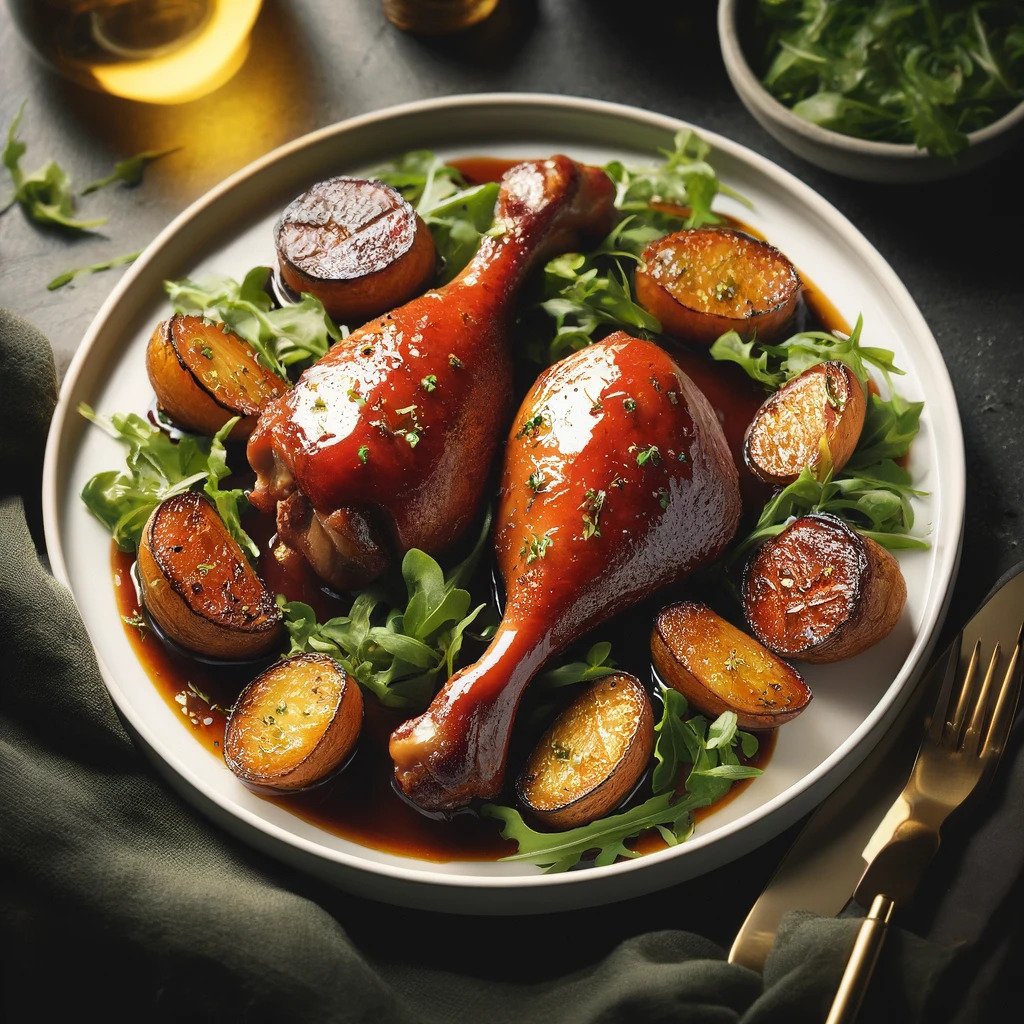
https://jidranmeat.com/our-products/Frozen duck is a culinary delight that, when prepared properly, can transform into a rich and flavorful dish perfect for special occasions or everyday meals. Whether you’re new to cooking duck or looking to perfect your technique, this guide will walk you through every step, from thawing the bird to cooking it to perfection. With these easy-to-follow tips, you’ll be savoring the unique flavors of duck in no time.
Why Choose Frozen Duck?
When compared to fresh duck, frozen duck offers several advantages. It’s widely available in most supermarkets, often more affordable, and convenient to store for longer periods. The flavor and texture of frozen duck remain uncompromised if thawed and cooked properly. This makes it a fantastic choice for anyone wanting to experiment with duck dishes without worrying about sourcing fresh poultry.
How to Properly Thaw Frozen Duck
Before diving into cooking, it’s essential to thaw the frozen duck correctly. Improper thawing can lead to uneven cooking or even foodborne illnesses. Here’s the best method:
- In the Refrigerator: The safest and most reliable way to thaw a frozen duck is in the refrigerator. This process can take 24 to 48 hours depending on the size of the duck. Place the duck on a plate to catch any juices that might leak.
- In Cold Water: If you’re short on time, you can use the cold water method. Submerge the duck in a large bowl of cold water, changing the water every 30 minutes. A medium-sized duck can take around 4 to 6 hours using this method.
Prepping the Duck for Cooking
Once your duck is thawed, it’s time to prepare it for cooking. Proper preparation is key to achieving that crispy skin and succulent meat.
- https://jidranmeat.com/our-products/Remove Giblets: Many frozen ducks come with giblets inside. Make sure to remove these before cooking. You can save them for making stock or gravy.
- Pat Dry: Use paper towels to thoroughly dry the duck, both inside and out. This step is crucial for achieving a crispy skin.
- Score the Skin: Duck has a thick layer of fat beneath the skin. To help the fat render during cooking, lightly score the skin in a crisscross pattern, being careful not to cut into the meat.
- Season Generously: Duck has a rich, gamey flavor that pairs well with robust seasonings. Salt, pepper, and herbs like thyme or rosemary work beautifully. If you want to add a touch of sweetness, consider rubbing the skin with a bit of honey or orange zest.
Cooking Frozen Duck: Methods to Savor the Flavor
Cooking duck can be intimidating, but once you choose the right method, it’s a breeze. Here are three popular techniques to prepare and cook your frozen duck.
1. Roasting the Duck
Roasting is one of the most popular ways to cook duck, and for good reason. It’s straightforward, and the result is tender meat with crispy skin.
Ingredients:
- 1 thawed duck
- Salt and pepper
- Fresh herbs (thyme, rosemary)
- Citrus fruits (optional for added flavor)
Instructions:
- Preheat your oven to 350°F (175°C).
- Place the duck on a roasting rack in a large roasting pan.
- Season the duck generously with salt, pepper, and your chosen herbs. If you like, stuff the cavity with citrus fruits like oranges or lemons for extra flavor.
- Roast the duck for about 2 to 2.5 hours, or until the internal temperature of the thickest part of the thigh reaches 165°F (75°C).
- Let the duck rest for 10 minutes before carving.
Pro Tip: Baste the duck with its own rendered fat a few times during cooking for extra crispy skin.
2. Pan-Seared Duck Breast
If you prefer to cook just the duck breast, pan-searing is a quick and delicious method. It results in crispy skin and a tender, juicy interior.
Ingredients:
- 2 duck breasts
- Salt and pepper
- Olive oil
Instructions:
- Score the skin of the duck breasts and season with salt and pepper.
- Heat a skillet over medium heat and place the duck breasts skin-side down.
- Cook for about 6 to 8 minutes, or until the skin is crispy and golden brown.
- Flip the breasts and cook for another 4 to 5 minutes until the meat reaches your desired level of doneness (145°F/63°C for medium-rare).
- Let the breasts rest for 5 minutes before slicing and serving.
Pro Tip: Serve with a rich sauce like cherry or orange glaze to complement the duck’s natural flavor.
3. Slow-Cooked Duck Legs (Confit)
Confit is a classic French method of cooking duck slowly in its own fat. This method results in incredibly tender, fall-off-the-bone duck legs that are packed with flavor.
Ingredients:
- 4 duck legs
- Salt and pepper
- Duck fat or olive oil
- Fresh thyme
Instructions:
- Rub the duck legs with salt, pepper, and thyme. Refrigerate overnight for the best flavor.
- Preheat your oven to 250°F (120°C).
- Place the duck legs in a baking dish and cover them with duck fat or olive oil.
- Cook for 2 to 3 hours until the meat is tender and easily pulls away from the bone.
Pro Tip: Once cooked, you can crisp the duck legs under the broiler for a few minutes before serving.
Side Dishes to Pair with Duck
Duck is a rich and flavorful meat that pairs well with a variety of side dishes. Here are a few ideas to complete your meal:
- Roasted Vegetables: Carrots, parsnips, and sweet potatoes are excellent choices to complement the richness of duck.
- Potato Gratin: A creamy potato gratin adds a comforting and indulgent touch to your meal.
- Fruit-Based Sauces: Duck pairs beautifully with sweet and tangy fruit sauces such as cherry, orange, or cranberry.
Conclusion
Cooking frozen duck at home doesn’t have to be intimidating. With the right preparation and cooking methods, you can enjoy the succulent and rich flavors of duck from the comfort of your kitchen. Whether you prefer roasting a whole bird, searing duck breasts, or slow-cooking duck legs, each method brings out the unique flavor of this versatile poultry. So, next time you’re looking to impress your guests or treat yourself, don’t hesitate to savor the flavor of duck!