
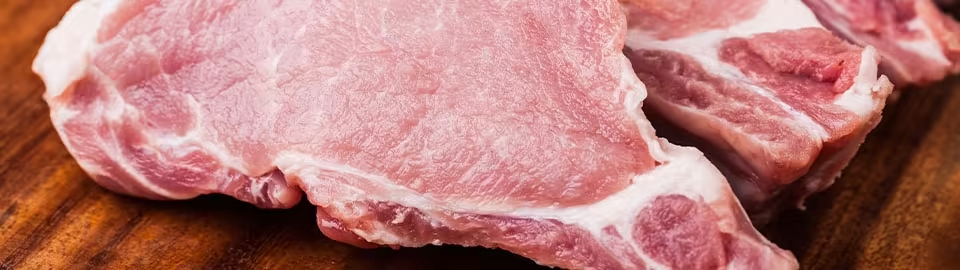
Pork is a versatile, nutrient-rich meat that is enjoyed in various cuisines worldwide. Not only does it offer a range of flavors and textures, but it also boasts an impressive nutritional profile. Known as a protein powerhouse, pork provides essential vitamins, minerals, and healthy fats, making it a valuable addition to a balanced diet. In this article, we’ll explore the nutritional benefits of pork meat and why it’s a great choice for those looking to enhance their health.
1. Rich Source of High-Quality Protein
Protein is essential for building and repairing body tissues, maintaining muscle mass, and supporting immune health. Pork contains all nine essential amino acids, making it a complete protein source.
- Protein Content: A 3-ounce serving of cooked pork offers about 22 grams of protein, providing a substantial amount of your daily protein needs.
- Benefit: High-quality protein in pork supports muscle recovery and growth, which is beneficial for active individuals and those involved in strength training.
2. Packed with Essential Vitamins
Pork is an excellent source of several B-vitamins, particularly B1 (thiamine), B3 (niacin), B6, and B12. These vitamins play key roles in energy production, brain function, and red blood cell formation.
- Vitamin B1 (Thiamine): Supports energy metabolism and nerve function. Pork is one of the richest sources of thiamine.
- Vitamin B6: Aids in brain health, mood regulation, and protein metabolism.
- Vitamin B12: Essential for red blood cell production and nervous system health, making it particularly important for those at risk of deficiency, such as the elderly.
3. Excellent Source of Minerals
Pork meat is a great source of minerals that are essential for bone health, blood oxygenation, and overall metabolic function.
- Zinc: Promotes immune function, wound healing, and DNA synthesis. Pork contains a significant amount of zinc, which is important for immune health.
- Iron: Contains heme iron, which is easily absorbed by the body and helps prevent anemia.
- Phosphorus: Supports bone and teeth health, as well as energy production.
Including pork in your diet provides these essential minerals, making it beneficial for individuals with increased nutrient needs, like athletes, pregnant women, and growing children.
4. Heart-Healthy Fats
Although pork has often been criticized for its fat content, lean cuts of pork contain heart-healthy fats, including monounsaturated and polyunsaturated fats.
- Lean Cuts: Cuts like pork tenderloin and loin chops are low in saturated fat and high in healthier fats, which can support heart health.
- Omega-3 Fatty Acids: Certain pork products, like pasture-raised pork, may contain small amounts of omega-3 fatty acids, known to benefit cardiovascular health.
Choosing lean cuts and trimming visible fat can make pork a healthy part of a heart-conscious diet.
5. Supports Weight Management
The high protein content in pork helps with weight management by promoting satiety and reducing hunger levels, which can assist in controlling calorie intake. Protein has a higher thermic effect than carbohydrates or fats, meaning it requires more energy to digest, thus boosting metabolism slightly.
- Benefit: Eating high-protein foods like pork can help with appetite control, making it easier to maintain a healthy weight.
- Best Cuts for Weight Loss: Opt for lean cuts like pork loin or tenderloin to keep fat intake low while benefiting from the protein content.
6. Boosts Immune Health
Zinc, vitamin B6, and protein in pork contribute to a robust immune system, helping the body fend off infections and illnesses.
- Zinc’s Role: Essential for immune cell function and signaling, making pork an ideal food choice during cold and flu season.
- Protein’s Role: Provides the building blocks for immune cells, antibodies, and other proteins essential for a well-functioning immune system.
7. Enhances Brain Function and Mood
The B vitamins in pork, particularly B12, B6, and thiamine, support brain function and mental health. These nutrients are known to enhance cognitive function, improve mood, and reduce the risk of mental decline.
- Vitamin B6: Supports serotonin and dopamine production, which are critical for mood regulation.
- Vitamin B12 and Iron: Help improve focus, energy levels, and overall brain health by ensuring oxygen-rich blood reaches the brain.
Best Ways to Enjoy Pork
To fully benefit from the nutritional advantages of pork meat, choose lean cuts and cook with healthy methods like grilling, baking, or broiling. Avoid heavy sauces or fried preparations that add unnecessary calories and fats.
- Lean Cut Choices: Pork loin, tenderloin, and chops.
- Healthy Preparation Methods: Marinate and grill, roast with herbs and spices, or stir-fry with vegetables for a balanced meal.
Conclusion
Pork is indeed a protein powerhouse that offers an array of nutrients crucial for overall health. When consumed in moderation and prepared with healthy cooking methods, pork can be a valuable addition to your diet, helping you meet your nutritional needs while enjoying delicious meals. Embrace the nutritional benefits of pork meat and savor the flavors it brings to your table while supporting your body’s wellness and vitality.