
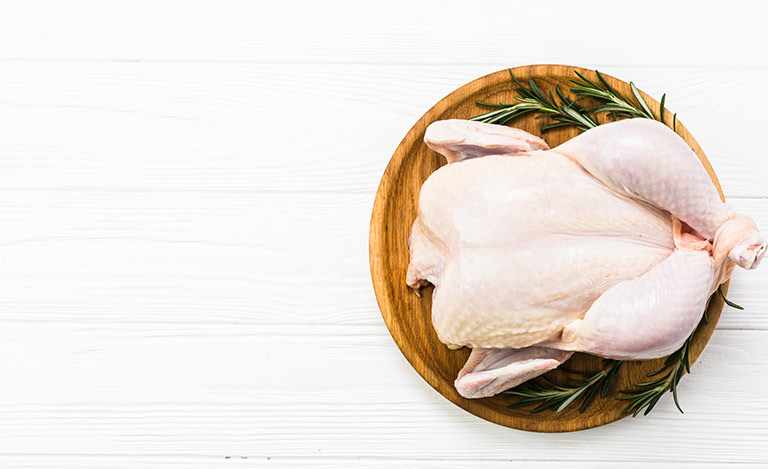
The frozen chicken market in the UAE is a bustling hub, offering a variety of options for every household. With busy lifestyles and the need for quick meal solutions, frozen chicken has become a convenient staple for many families. But have you ever stopped to wonder what influences its price? From domestic production rates to government regulations, several factors play into how much you’ll pay at the checkout counter. As food enthusiasts and budget-conscious shoppers navigate this landscape, understanding these elements can make all the difference in your grocery shopping experience. Let’s dive deeper into the intricacies of frozen chicken pricing and discover how to find affordable options without compromising quality!

Factors that influence the price of frozen chicken
The price of frozen chicken in the UAE is shaped by various factors that create a dynamic market.
Domestic production plays a vital role, as local farms strive to keep up with growing demand. When supply meets or exceeds demand, prices tend to stabilize.
Imports are another significant factor. With international suppliers influencing availability, fluctuations in shipping costs can lead to varying retail prices.
Government regulations and policies also impact pricing strategies for retailers. Import tariffs and food safety standards can drive costs higher or lower depending on compliance requirements.
Currency exchange rates add another layer of complexity. A weaker dirham could result in increased import costs, while a stronger currency might make foreign products more affordable.
The balance between supply and demand directly affects pricing trends. Seasonal variations and consumer preferences continuously shift this equilibrium, driving prices up or down accordingly.
A. Domestic production and imports
https://jidranmeat.com/wp-content/uploads/2024/02/Chicken-Drumstick-1024×576.jpgThe frozen chicken market in the UAE is a blend of both domestic production and imports. Local farms contribute significantly, but they can’t meet the ever-growing demand alone.
Many consumers prefer locally sourced products, believing them to be fresher and healthier. However, local production has its limitations due to space and climate constraints. As a result, imports play a crucial role in stabilizing supply.
Countries like Brazil and Thailand are key players in this sector. They provide high-quality frozen chicken that finds its way into supermarkets across the UAE.
This reliance on imported goods can lead to price fluctuations based on global markets. Factors such as trade agreements also impact availability and pricing strategies for retailers here.
Consumers often weigh their options between domestic brands versus international ones when shopping for frozen chicken, influencing their purchasing decisions accordingly.
B. Government regulations and policies
Government regulations play a pivotal role in shaping the frozen chicken market in the UAE. These policies influence not just pricing but also availability.
Strict food safety standards ensure that only high-quality products reach consumers. Compliance with these regulations can lead to increased costs for producers, which may be passed on to buyers.
Import tariffs and trade agreements further complicate matters. High import duties can inflate prices for frozen chicken sourced from abroad, while favorable agreements might lower them.
Additionally, subsidies for local farmers can affect market dynamics by making domestically produced chicken more competitive against imports. This creates a fluctuating landscape where prices constantly adapt to regulatory changes.
Monitoring these policies is essential for understanding price movements and making informed purchasing decisions in this diverse marketplace filled with options like WHOLE Indian or other alternatives such as crab stick and pork meat.
C. Currency exchange rates
Currency exchange rates play a crucial role in determining the cost of frozen chicken in the UAE. As a nation that relies heavily on imports, fluctuations in currency values can impact pricing significantly.
When the dirham strengthens against other currencies, imported goods become cheaper. This situation can lead to lower prices for frozen chicken sourced from countries like Brazil and Thailand. Conversely, if the dirham weakens, importers may face higher costs, which are often passed down to consumers.
Additionally, global economic conditions influence these rates. Political instability or changes in trade agreements can cause rapid shifts that affect prices at local retailers.
For shoppers navigating this market, staying informed about currency trends could help identify better purchasing opportunities and overall savings when buying frozen chicken products.
D. Supply and demand
Supply and demand play a crucial role in determining the price of frozen chicken in the UAE. When demand surges, perhaps due to festive seasons or population growth, prices tend to rise accordingly.
On the flip side, if supply increases—thanks to new farms or imports flooding the market—the cost may drop. Retailers often adjust their pricing strategies based on these fluctuations.
Seasonal factors can also impact availability. For instance, during summer months, when families are more likely to grill outdoors, you might see higher prices as retailers anticipate increased sales.
Consumer preferences further complicate this dynamic. With growing interest in alternative protein sources like crab sticks and pork meat, some consumers may shift away from chicken altogether. This change can influence how suppliers manage their stock levels and pricing over time.
Comparison of frozen chicken prices among different retailers in the UAE
In the UAE, frozen chicken prices can vary significantly between retailers. Supermarkets like Carrefour and Lulu Hypermarket often have competitive pricing due to their bulk purchasing power.
Carrefour may offer promotions or discounts on specific brands, making it a go-to for many shoppers looking for savings. Meanwhile, Lulu often stocks imported products that cater to different tastes but might come at a slightly higher price point.
Smaller local stores sometimes provide deals on domestic frozen chicken options. These can be more affordable but may not always guarantee consistent quality.
Online grocery platforms also play a role in this pricing landscape. They frequently offer exclusive discounts or delivery options that can influence consumer choices as well.
Comparing prices across these varied sources is essential for budget-conscious buyers seeking the best value without compromising quality.
Tips for finding affordable frozen chicken options
Finding affordable frozen chicken in the UAE can feel overwhelming. However, some savvy strategies can help you score better deals.
Start by comparing prices at different retailers. Major supermarket chains often have weekly promotions or loyalty programs that offer discounts on frozen chicken products.
Consider buying in bulk. Stores sometimes provide price cuts for larger quantities, which could save you money over time.
Don’t underestimate local markets and smaller grocery stores. They may stock competitive pricing that’s lower than bigger outlets.
Keep an eye out for seasonal sales events too. These periods are prime times to find bargains on various meat products, including whole Indian options.
Using apps and websites dedicated to price comparison can also aid your search for the best deals available around you!
The impact of COVID-19 on frozen chicken prices in the UAE
The COVID-19 pandemic significantly affected the frozen chicken market in the UAE. Initially, there was a surge in demand as people stocked up on essentials. This spike strained supply chains and led to price fluctuations.
As restrictions tightened, production slowed down due to health protocols. Import delays became commonplace, further exacerbating shortages. Retailers struggled to maintain adequate inventories, impacting pricing structures across the board.
Moreover, consumer behavior shifted considerably during this time. Many sought cost-effective protein sources like WHOLE Indian chicken or crab stick alternatives for budget-friendly meals.
Despite these challenges, some suppliers adapted by diversifying their offerings and optimizing logistics. The overall landscape of frozen chicken prices remains dynamic as recovery continues post-pandemic._
Alternative protein sources and their cost in
As consumers in the UAE seek alternatives to traditional frozen chicken, various protein sources are gaining popularity. Options like WHOLE Indian, crab stick, and even pork meat offer diverse culinary experiences while catering to different dietary preferences.
WHOLE Indian is a favorite for those looking for rich flavors and nutritional benefits. Its price can vary based on sourcing and availability but often competes with frozen chicken prices. Crab sticks have emerged as a trendy choice too. They provide an affordable seafood option that’s both versatile and easy to prepare.
Pork meat has its own niche market within the UAE’s culinary landscape. While it may not be as widely consumed due to cultural preferences, those who enjoy it find that its pricing can fluctuate significantly based on import regulations.
Each of these alternative proteins presents unique cost dynamics influenced by similar factors affecting frozen chicken—such as domestic production levels and import restrictions. As consumer tastes evolve, it’s essential to stay informed about all available options while making mindful purchasing decisions in this ever-changing market landscape. Exploring these alternatives may help you discover new favorites without drastically impacting your grocery budget.